Topic

Voice guidance insights

Explore practical thinking on voice-guided workflows, technician-first interfaces, field conditions, proof capture, and AI that helps teams work without losing focus on the job.

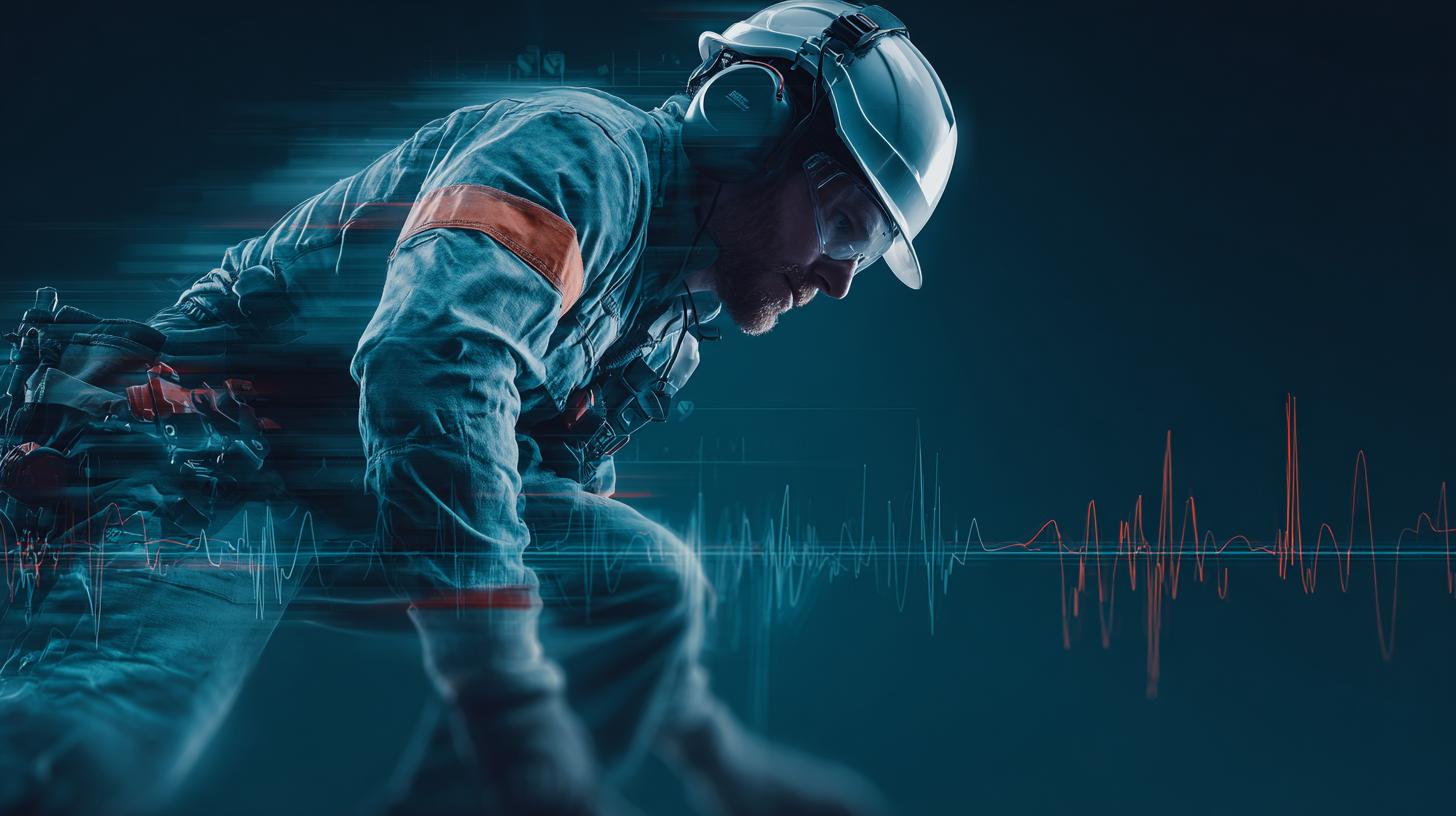
Voice matters in the field because technicians often work with their hands, move through noisy environments, and need guidance without stopping to search, scroll, or type. CoSkip's perspective is that voice guidance should support human judgment, trigger the right proof capture, and help build trusted close-out records as the work happens.

3 published insights Field AI Updated May 28, 2026 Field AI Insights
Topic snapshot

Voice guidance in field work

This topic hub connects field realities, product decisions, proof requirements, and the next practical step for teams evaluating CoSkip.

Apply for Pilot Access
Field context noisy rooms, rooftops, basements, equipment rooms, service vehicles
User need guidance without constant tapping, scrolling, or searching
Product connection voice prompts, confirmations, exception handling, and proof capture
Risk to manage accuracy, latency, noise, privacy, and human review
CoSkip next step test voice guidance on one repeatable workflow
Why this topic matters

What Voice guidance means for field teams.

Voice guidance is one of the clearest ways AI can become useful in field work. Technicians are often standing, moving, carrying tools, wearing gloves, working near equipment, or documenting work in environments where typing is inconvenient. A useful voice layer can prompt the next step, confirm required proof, capture notes, flag exceptions, and keep the workflow moving.

But voice in the field is not just a speech interface. It has to handle latency, noise, privacy, failure modes, offline conditions, and human judgment. The best voice workflows do not replace technicians. They help technicians complete the work, document it in context, and produce a clearer record for supervisors, customers, warranty teams, or compliance reviewers.

Guidance without losing focus

Voice prompts can help technicians move through repeatable steps without searching through scattered procedures.

Proof captured in context

Voice confirmations can trigger photos, notes, timestamps, exceptions, and signoff at the moment they matter.

Better close-out records

Spoken context can become structured documentation instead of fragmented after-the-job notes.

Human judgment stays central

Voice should support technicians, not override field expertise, safety, or supervisor review.
Tagged articles

Articles tagged Voice guidance

Published CoSkip writing appears first. Planned editorial cards are clearly labeled and do not link to non-existent articles.

Planned insights

These are editorial previews, not published articles.

Coming soonField AI

Voice Guidance in the Field: How AI Can Help Technicians Without Getting in the Way

A practical look at voice-guided workflows, latency, noise, proof capture, and why the best field AI systems support technician judgment instead of replacing it.

Coming soonField AI

Designing Voice Workflows for Noisy Field Environments

How field teams should think about speech capture, confirmation, fallback paths, and supervisor review when the work happens around equipment and jobsite noise.

Coming soonProof packets

From Spoken Notes to Proof Packets: Turning Voice Into Close-Out Records

How voice confirmations can become structured documentation tied to photos, timestamps, exceptions, signoff, and step verification.

Coming soonSecurity & Trust

Voice, Privacy, and Latency: What Field-Service Teams Should Ask Before Testing AI

A practical checklist for evaluating voice AI under device constraints, retention requirements, noisy environments, and human review needs.

Related topics
Related idea

AI-guided workflows

Explore CoSkip Field AI insights on AI-guided workflows, guided workflows, proof capture, technician enablement, and practical AI for real-world field operations.

Explore topic
1 insight

Technician enablement

Guidance, training, workflow support, and proof capture that helps technicians complete repeatable work.

Explore topic
2 insights

Proof of work

Step-level photos, timestamps, notes, exceptions, signoff, and verification that make field work easier to review.

Explore topic
2 insights

On-device AI

Field AI architecture, device constraints, edge processing, latency, privacy, and fallback paths for jobsite conditions.

Explore topic
1 insight

Latency

Latency budgets, offline paths, response times, and reliability requirements for guidance that works while the job is happening.

Explore topic
1 insight

Privacy

Private-first field AI, jobsite images, voice inputs, retention, review, exports, and trust boundaries.

Explore topic
Related idea

Human-in-the-loop AI

Explore CoSkip Field AI insights on Human-in-the-loop AI, guided workflows, proof capture, technician enablement, and practical AI for real-world field operations.

Explore topic
2 insights

field operations

Explore CoSkip Field AI insights on field operations, guided workflows, proof capture, technician enablement, and practical AI for real-world field operations.

Explore topic
Related idea

Pilot readiness

Explore CoSkip Field AI insights on Pilot readiness, guided workflows, proof capture, technician enablement, and practical AI for real-world field operations.

Explore topic
CoSkip perspective

How Voice guidance connects to guided work and proof capture.

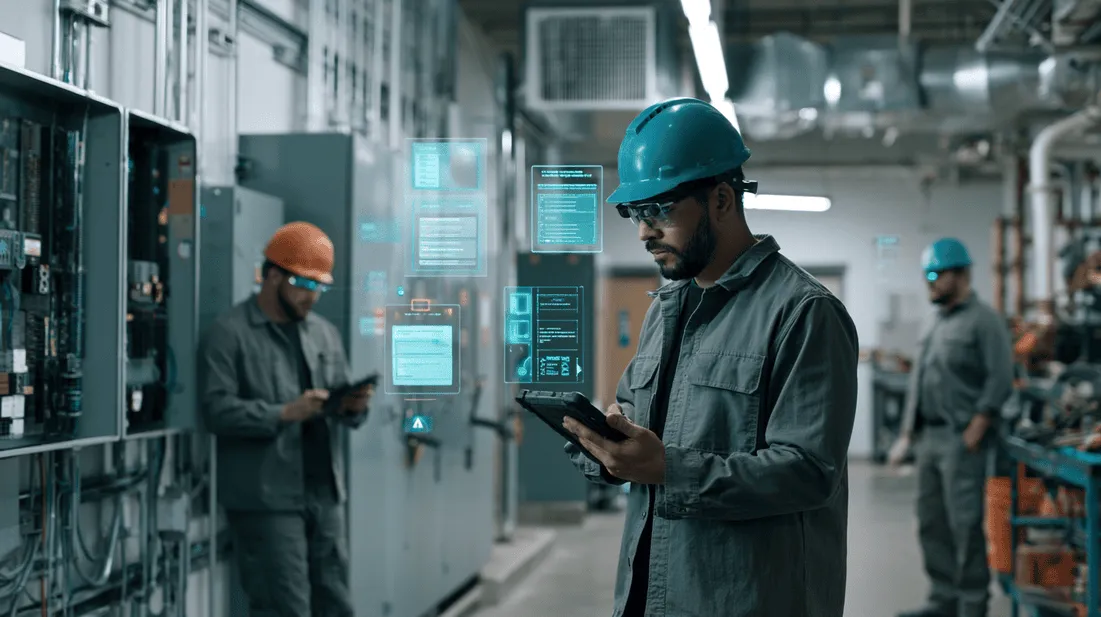
For CoSkip, voice guidance is not a novelty layer. It is a way to make field workflows easier to follow while keeping technicians focused on the work. A useful voice experience can prompt the next step, capture spoken notes, flag exceptions, confirm proof requirements, and help build a close-out record as the job happens.

  1. 01Prompt the step

    The technician receives a clear voice or visual cue tied to the workflow.

  2. 02Capture context

    The technician confirms the condition, notes the issue, or records an exception.

  3. 03Attach proof

    Photos, timestamps, notes, and signoff connect to the exact step.

  4. 04Build the record

    The completed workflow becomes a proof packet for review.

Next step

See how guidance becomes proof.

CoSkip connects guidance, proof capture, and close-out records so field teams can complete work and document it as it happens.

Field AI Insights

Get practical Field AI insights from CoSkip.

Occasional writing on guided workflows, proof packets, field operations, pilot playbooks, and AI that works in real-world conditions.

Get updates when CoSkip publishes new writing on voice guidance, technician-first workflows, and proof capture.

Topic interest Voice guidance

Privacy Policy

FAQ

Voice guidance FAQ

What does CoSkip mean by voice guidance?

Voice guidance means using spoken prompts, confirmations, and field context to help technicians move through repeatable workflows without constantly stopping to search, scroll, or type.

Is voice guidance meant to replace technicians?

No. CoSkip's perspective is that voice guidance should support technician judgment, not replace it. The technician stays central to the work, decisions, safety, and final review.

Why does voice matter in field service?

Field work often happens in environments where typing or scrolling is inconvenient: rooftops, mechanical rooms, basements, job sites, service vehicles, and customer locations. Voice can help keep guidance closer to the work.

How does voice connect to proof packets?

Voice confirmations and notes can help capture context, flag exceptions, and trigger proof requirements such as photos, timestamps, notes, and signoff.

What should teams evaluate before piloting voice AI in the field?

Teams should consider noise, latency, privacy, retention, connectivity, device constraints, human review, proof requirements, and how voice interactions fit the actual workflow.

How can my team test this with CoSkip?

Start with one repeatable workflow, gather sample procedures and proof requirements, and apply for CoSkip's Pilot Program.

From topic to pilot

Turn Voice guidance insight into a field workflow pilot.

If voice guidance could help your technicians move through a repeatable workflow, capture proof, and close out with less friction, start with one workflow and test it in real field conditions.