Callbacks and repeat visits
Missing diagnostic steps, unclear notes, or incomplete proof can turn one visit into more follow-up.
CoSkip helps plumbing teams guide diagnostics, repairs, before-and-after evidence, customer signoff, and closeout documentation with proof packets.
Plumbing teams should not have to reconstruct what happened after the job. CoSkip guides the workflow and captures proof while the work is happening.
The repair or service call may be completed correctly, but the record is often scattered across photos, texts, invoices, technician notes, and customer approvals. That creates callback friction, customer questions, warranty gaps, and supervisor follow-up.
See how technician photos with job context can preserve the issue, repair step, timestamp, note, and exception path.
Missing diagnostic steps, unclear notes, or incomplete proof can turn one visit into more follow-up.
Before/after photos are less useful when they are not tied to the exact issue, repair step, or approval.
Technicians and managers spend time reconstructing the job record after the work is complete.
Missing approvals, parts notes, or timestamped proof can create avoidable back-and-forth.
Use the readiness score or ROI calculator to identify whether your first pilot should start with service calls, drain inspections, leak repairs, water heater work, or close-out documentation.
CoSkip turns repeatable plumbing procedures into guided steps and captures proof at the point of work.
Technicians get prompts for diagnosis, issue documentation, repair steps, approvals, and close-out.
Before/after photos, issue notes, part usage, timestamps, exceptions, and customer approval are tied to the workflow step.
The completed job is organized for customer close-out, supervisor review, warranty support, or callback documentation.
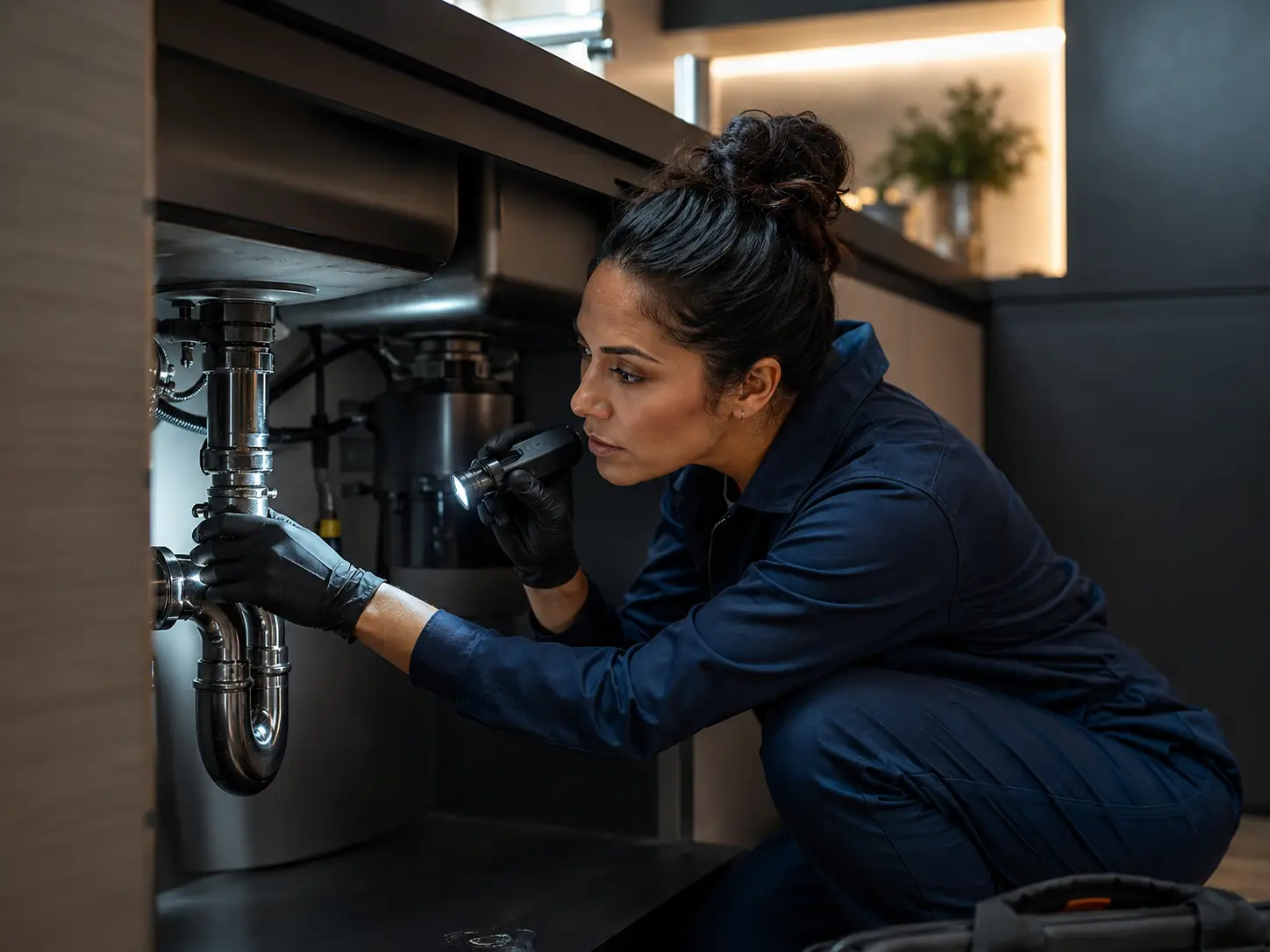
Pain: Technicians need a consistent diagnostic path and clear evidence of what was checked.
CoSkip value: Guide the diagnostic workflow and capture issue photos, notes, timestamps, and recommended next steps.

Pain: Leak location, repair work, and after-condition proof can be hard to document cleanly.
CoSkip value: Prompt before/after evidence and attach it to the repair record.
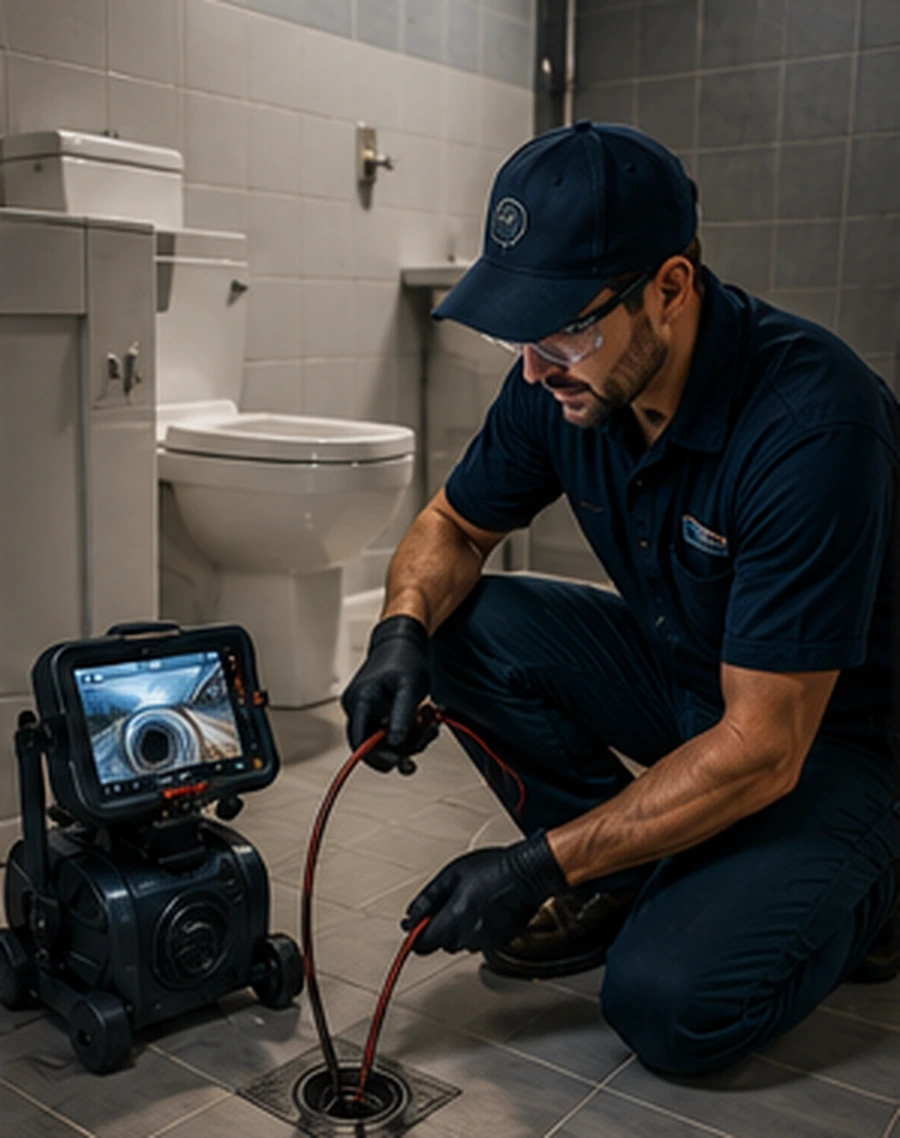
Pain: Drain and sewer service often requires clear documentation of observed issues, work performed, and follow-up recommendations.
CoSkip value: Guide the inspection and close-out flow and organize proof for customer and supervisor review.
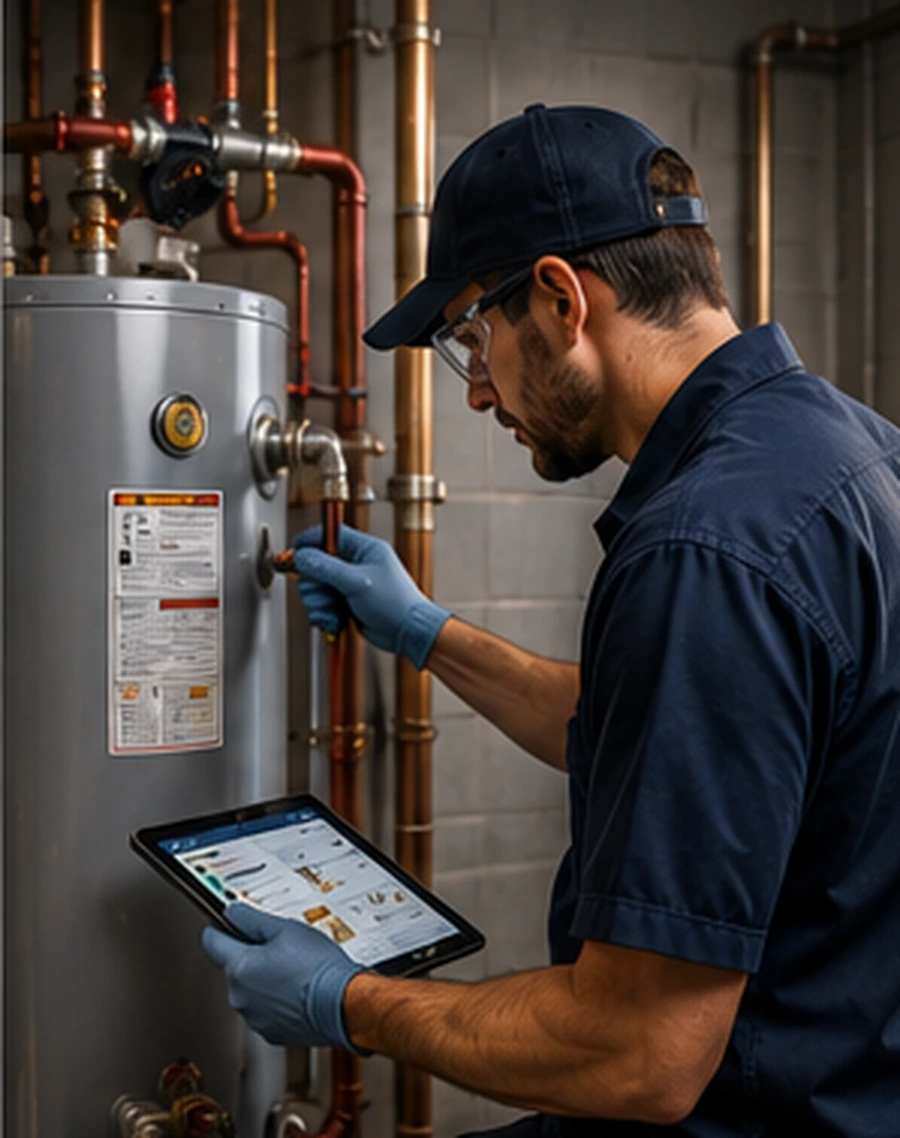
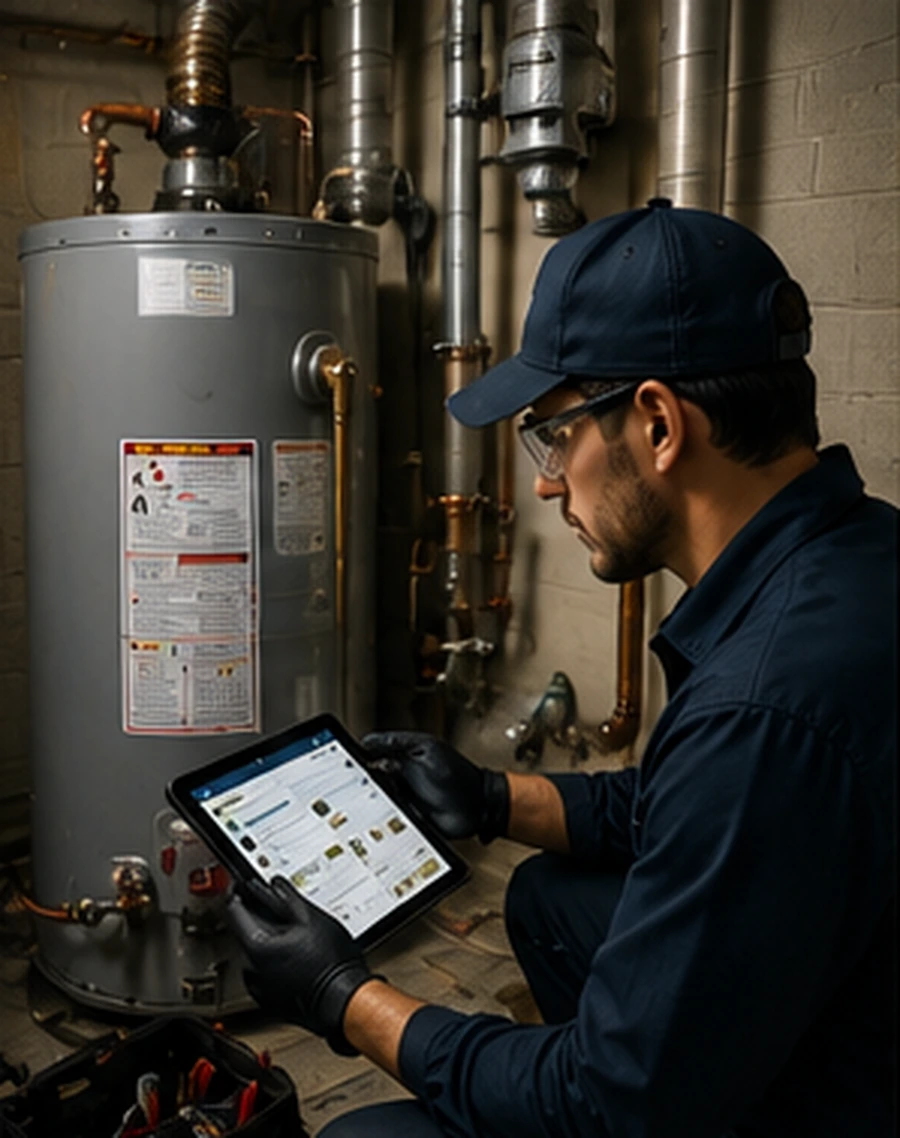
Pain: Water heater jobs often need asset details, before/after proof, parts/materials notes, and customer acknowledgement.
CoSkip value: Guide the close-out and capture structured proof while the job is happening.
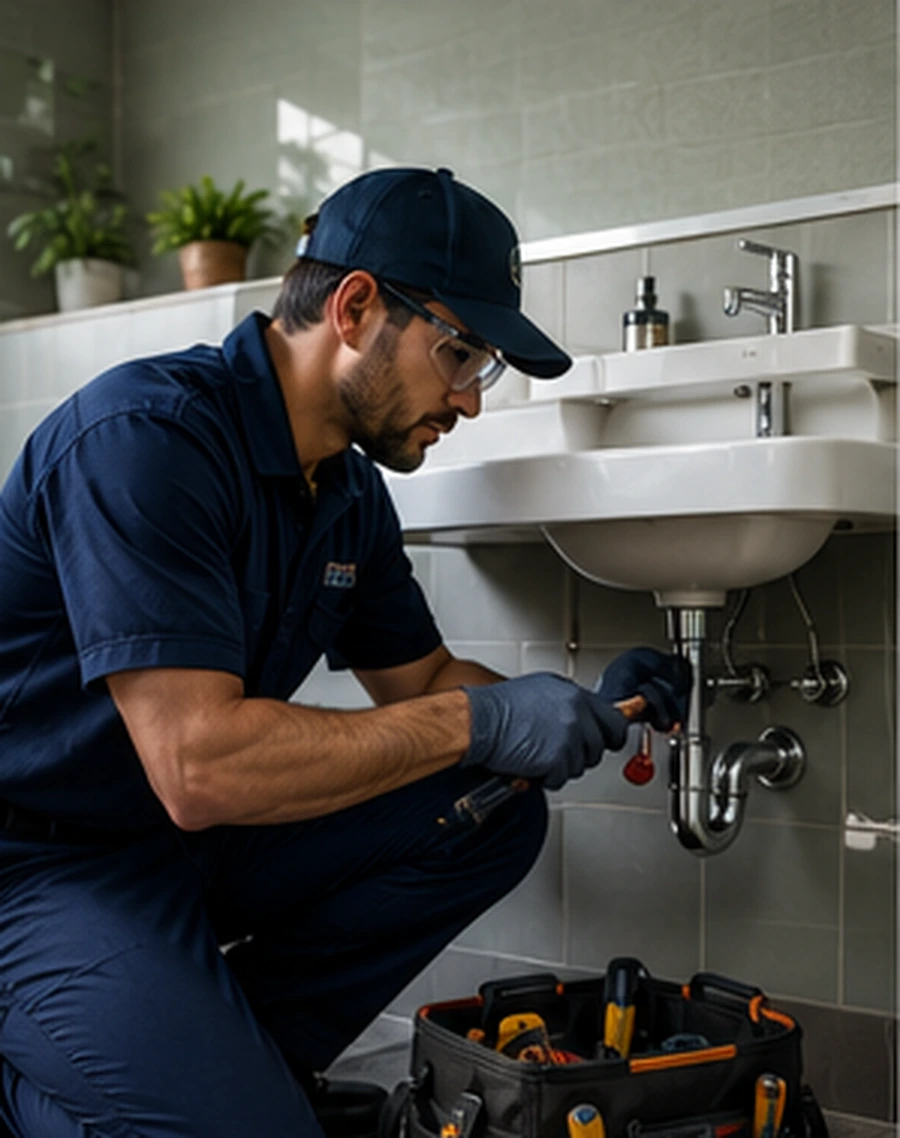
Pain: Completed work needs clear evidence, approval, and customer-ready documentation.
CoSkip value: Capture before/after proof, completion notes, and signoff in a structured close-out packet.
Pain: Repeat visits and warranty work are harder to manage when prior proof is incomplete or scattered.
CoSkip value: Preserve a structured trail of what was checked, repaired, replaced, and approved.
Sewer and drain teams can review a dedicated workflow page for line diagnostics, hydro-jetting proof, blockage documentation, emergency backup response, and customer-ready reports.
CoSkip can organize issue documentation, before/after evidence, parts and notes, timestamps, approvals, exceptions, and signoff into a structured close-out packet.
Prompt plumbers to capture the right evidence before and after the repair so proof is tied to the job step.
Record parts, materials, technician notes, recommendations, exceptions, and follow-up items in the workflow.
Capture customer acknowledgement or technician attestation and generate a close-out packet for review.
A pilot can start with structured proof packets and manual review, then scope exports, APIs, webhooks, or system-of-record integration depending on workflow, security, and IT requirements.
CoSkip can be scoped around FSM, CRM, dispatch and work order systems, invoicing systems, warranty management, service management tools, spreadsheets, manual review, APIs, or webhooks.
Pilot scoping can include SSO/SAML, MDM, retention expectations, access control, audit logs, zero-retention options, and DPA/security review.
Plumbing workflows may involve mobile devices, noisy environments, customer sites, basements, crawlspaces, mechanical rooms, photo capture, signoff, and offline-aware planning.
Start with one repeatable plumbing workflow, a few sample procedures or close-out examples, and a small group of technicians, supervisors, or service managers.
Choose service call diagnosis, leak repair, drain inspection, water heater service, fixture work, or callback documentation.
Turn procedures into guided steps with required evidence, parts/notes, approvals, and signoff.
Validate step clarity, evidence quality, and usability in real plumbing jobs.
Measure proof completeness, close-out friction, adoption, and next-step options.
Tell us about your plumbing workflow, service documentation needs, and proof-of-work gaps. We'll help determine whether CoSkip is a good fit for a focused pilot.
Use the supporting pages to plan the exact proof plumbing teams should capture during service calls, repairs, inspections, and customer close-outs. Review how technician proof capture connects evidence rules, exceptions, and review.
Capture photos, timestamps, notes, exceptions, signoff, and verified steps in proof packets.
Explore plumbing proof of work →Turn before-and-after photos into evidence with step context, notes, timestamps, and closeout status.
Explore plumbing photo documentation →Guide final job steps, capture required proof, flag exceptions, and create review-ready records.
Explore plumbing close-out documentation →No. CoSkip is designed for repeatable field workflows where teams need guidance and organizations need proof-of-work. Plumbing service calls, drain inspections, leak repairs, water heater work, customer close-out, and callback documentation can all be strong fits.
No. CoSkip does not guarantee specific outcomes. It is designed to help teams guide work, capture structured proof, and create clearer close-out records that can support review and follow-up.
No. CoSkip is designed to guide field execution and capture proof during the work. Your system of record can remain in place, while exports or integrations are scoped during a pilot.
A pilot can be scoped around workflows where before/after photos, issue documentation, customer acknowledgement, and close-out proof are valuable.
No. Voice-guided steps and proof capture can be tested first. AR-style overlays can be added where devices, workflow, and field conditions support them.
One repeatable plumbing workflow, 3-5 sample procedures or close-out examples, one pilot owner, 1-2 field leads or supervisors, and a measurable success metric.
Take the Field AI Readiness Score, calculate ROI, or review a sample proof packet to identify the right starting point.