
Callbacks drain margins and technician morale. This deep-dive playbook shows how to cut callbacks by ~30% using voice-guided workflows, proof-of-work capture, and a pragmatic 60-day rollout plan—without adding paperwork.
Field work is unforgiving. One missed step during diagnosis, a fuzzy photo in close-out, or a hand-written note no one can read later—and suddenly you’re back on site, unpaid, trying to make a frustrated customer whole. Callbacks don’t just irritate techs and owners; they silently kill gross margin.
This playbook distills what consistently moves the needle: Voice → Guidance → Proof. You’ll get a practical calculator, a failure-mode heatmap, and a 60-day rollout plan you can start this quarter.
TL;DR — You reduce callbacks by making the right way also the easiest way: hands-free voice guidance during the job, visual confirmation for ambiguity, and automatic proof capture that closes the loop without extra typing.
Why callbacks are so costly (and how to quantify them)
Callbacks steal billable hours and truck rolls, exhaust mid-tenure techs, and eat warranty risk you never priced. A simple model:
- Direct cost per callback: Technician time (travel + work) + parts + admin.
- Opportunity cost: The job you didn’t take while revisiting a prior job.
- Hidden cost: Morale, churn, and reputation.
Callback Cost Quick-Calc (use your own values):
| Variable | Example | Your Value |
|---|---|---|
| Avg callbacks / month | 45 | |
| Tech hours per callback (travel + work) | 1.7 hr | |
| Fully-loaded cost per tech hour | $78 | |
| Parts/write-offs per callback | $22 | |
| Admin overhead per callback | $12 | |
| Direct monthly callback cost | 45 × (1.7 × $78 + $22 + $12) = $8,091 | |
| Missed revenue per callback hour (opportunity) | $140/hr | |
| Opportunity cost | 45 × 1.7 × $140 = $10,710 | |
| Total monthly impact | $18,801 |
Cutting callbacks by 30% in this scenario frees ~$5.6k direct + ~$3.2k opportunity = ~$8.8k/month, or $105k/year—often with zero new headcount.

The 5 failure modes that create callbacks
A callback is rarely “one big mistake.” It’s a stack of tiny failure modes that compound under time pressure:
1) Ambiguous diagnostic steps
- Vague symptom trees; tribal knowledge lives in senior techs’ heads.
- Fix: Standardize voice-navigable diagnostic flows with branch logic.
2) Missed procedural steps
- Simple but critical steps skipped when rushed.
- Fix: Hands-free check-off with just-in-time voice prompts.
3) Weak “proof of work”
- Blurry photos, missing timestamps, no serials, no signature.
- Fix: Auto-captured photos + annotated overlays + timestamps + signatures.
4) Handoffs that drop context
- Notes not machine-searchable; dispatch can’t triage intelligently.
- Fix: Structured data + labels (“diagnostic complete,” “part required,” SLA timer).
5) Close-out ambiguity
- Customer queries after tech leaves; warranty disputes later.
- Fix: A customer-facing summary with embedded proof and technician sign-off.
Heatmap: where callbacks originate (typical % mix)
Diagnosis ambiguity .......... ████████ 35%
Missed procedural steps ...... █████ 25%
Insufficient proof ........... ███ 15%
Bad handoff/triage ........... ███ 15%
Close-out ambiguity .......... ██ 10%
Voice → Guidance → Proof: the job flow that actually sticks
Principle: The correct workflow must also be the lowest-friction workflow in the field.
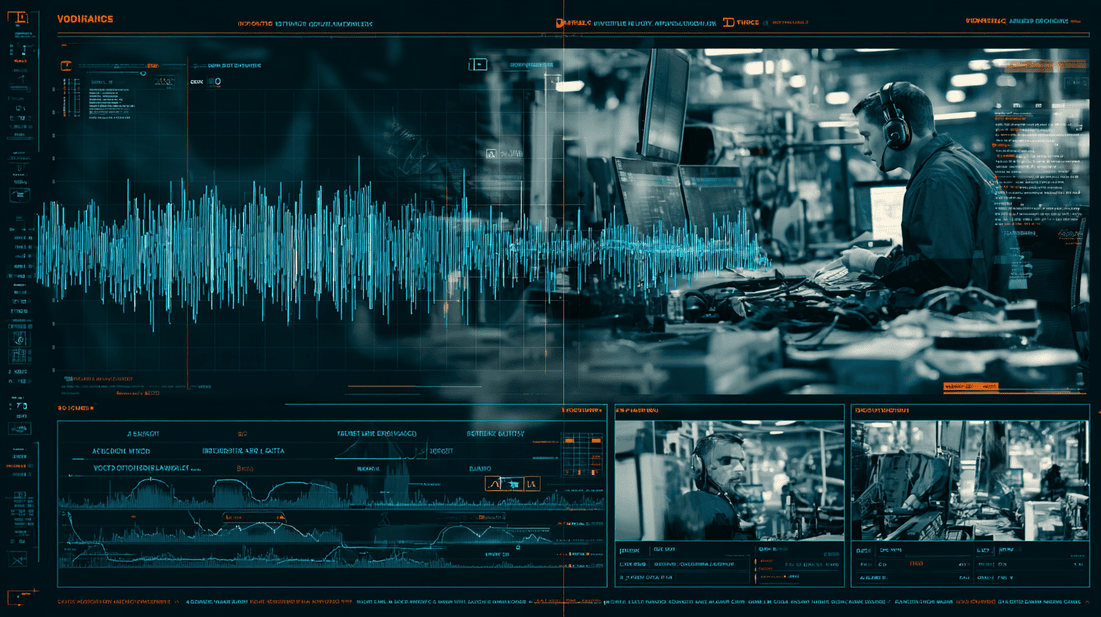
1) Voice: hands-free navigation
- Head-up, eyes-on-work.
- Fast branching: “If suction pressure < X, jump to Step 7.”
- Micro-prompts for steps that tend to be skipped.
2) Guidance: reduce ambiguity at decision points
- Optional AR overlays to highlight components or cable paths.
- Visual confirmations for “before/after” states.
3) Proof: capture without typing
- Auto-photo with location/time, optional annotation arrow overlays.
- Serial/asset ID scan; customer sign-off.
- Close-out summary generated from structured data.
The “Four Blocks” field pattern (what high performers share)
Use this as a mental model to redesign your service flows:
Context Block
Dispatch info + customer notes + previous interventions → spoken brief.
Procedure Block
Skills-graded steps (novice vs expert) with voice prompts and skip logic.
Verification Block
Photographic evidence, readings, signatures, pass/fail flags.
Close-Out Block
Customer-ready summary + technician attestation + next-steps triggers.
Elite teams don’t “add paperwork.” They replace paperwork with structured proof generated as a byproduct of doing the job.

“Good → Better → Best” rollout plan (60 days)
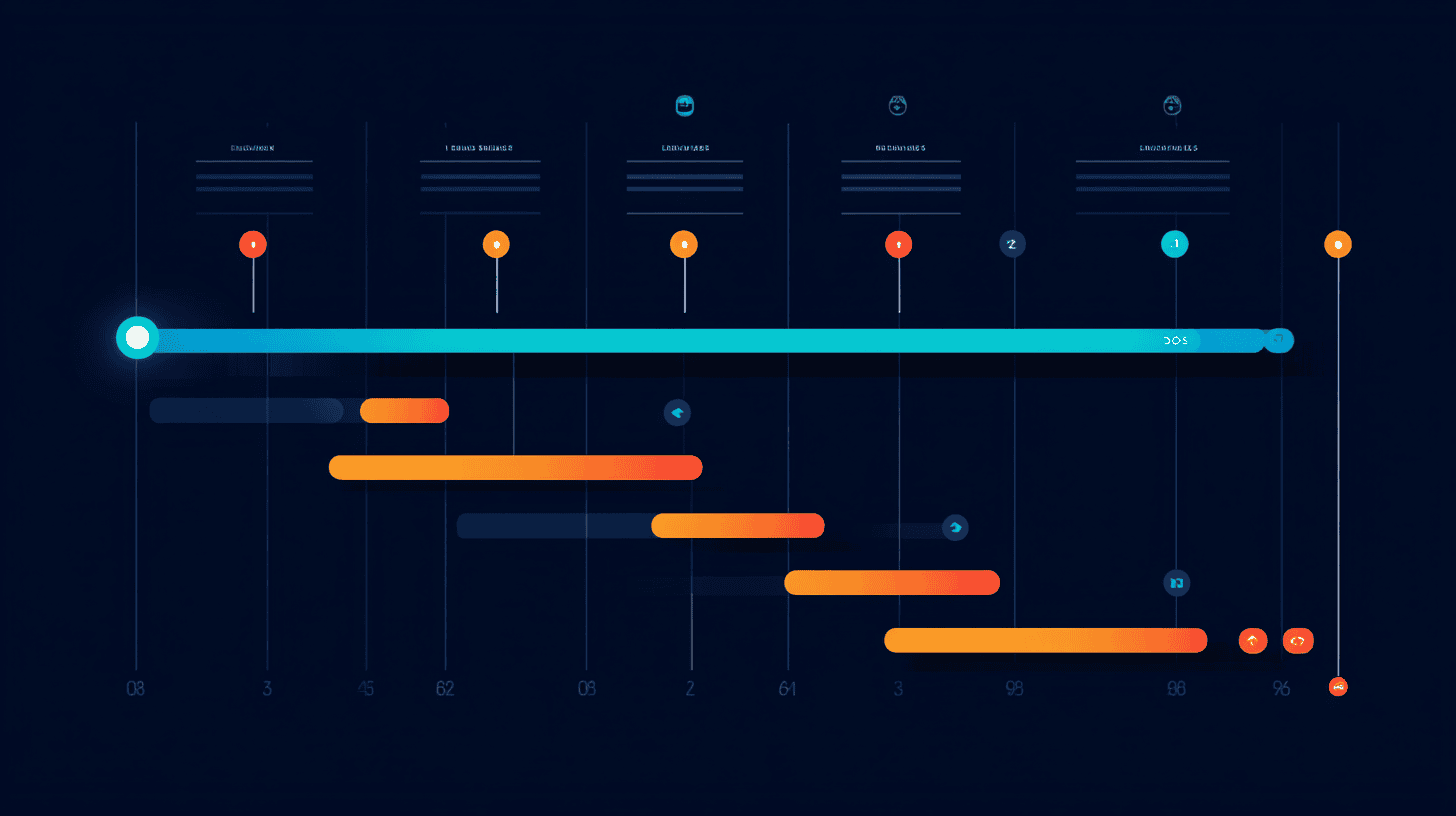
You don’t need to boil the ocean. Use an incremental plan with early wins.
Phase 0 (Week 0): pick one job type
- High volume, clear definitions (e.g., standard PM visit).
- Baseline: callback %, average close-out time, common failure mode.
Phase 1 (Weeks 1–2): Good — voice checklists
- Convert your best paper checklist into a voice-navigable flow.
- Add three “high-leak” micro-prompts (the steps most often skipped).
- Target win: −10% callbacks on this job type.
Phase 2 (Weeks 3–4): Better — proof defaults
- Require 2–3 validated photos (before/after), auto-timestamped.
- Capture serial/asset IDs and relevant readings as structured fields.
- Target win: additional −10% callbacks; + faster warranty approvals.
Phase 3 (Weeks 5–8): Best — decision points + AR assists
- Add branch logic for ambiguous diagnoses (thresholds → next step).
- Pilot AR highlights on the 1–2 most confusing components.
- Target win: additional −10% callbacks; reduced time-to-close-out.
Dispatch, triage, and the data you actually need
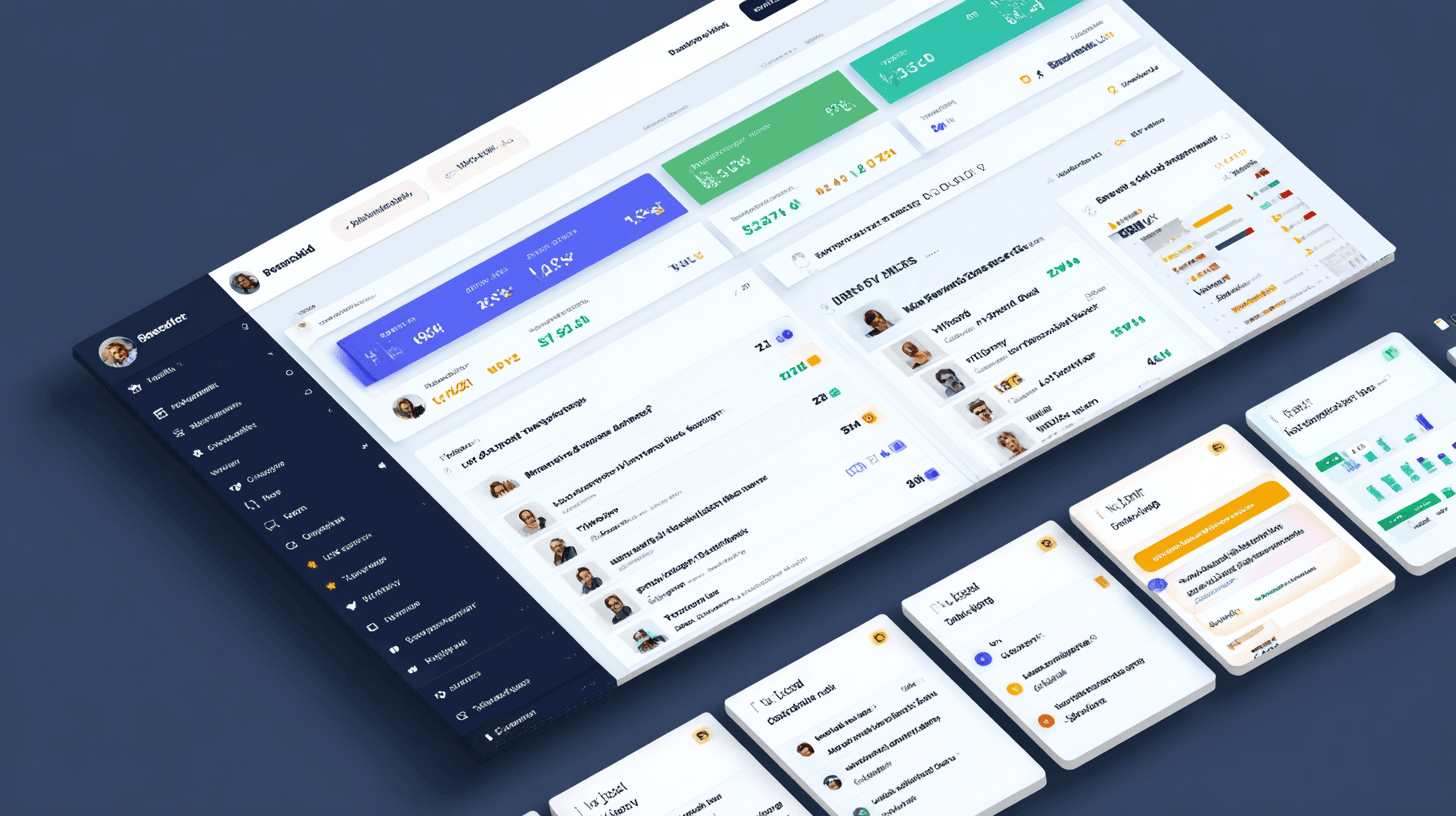
When proof is structured, dispatch can route intelligently:
- “Diagnostic complete / part required / compliance passed / return visit needed”
- SLA timers, refrigeration chain of custody, safety sign-offs
- Tagged photos: component, location, pass/fail
Dispatch triage checklist (quick):
- Is diagnosis complete (Y/N)?
- Is proof attached (photos + readings)?
- Is customer summary ready?
- Do we have part numbers + availability?
- Is next appointment pre-authorized?
Compliance is not a tax when proof is captured by default
Compliance (safety, warranty, environmental) becomes cheaper when your system captures it without extra taps:
- Safety: required readings and sign-offs tied to technician identity/time.
- Warranty: serials, before/after photos, and exact steps performed.
- Audit: immutable logs that link media to specific jobs and assets.

Field change management: how to get tech buy-in
Technicians are allergic to tools that slow them down. Avoid that trap:
- Co-design with techs. Start with a pair of respected mid-tenure techs.
- Make it faster on Day 1. Voice prompts replace digging through PDFs.
- Respect expertise. Offer “expert mode” with condensed prompts.
- Reward proof. Celebrate clean close-outs (leaderboard, gift cards).
- Instrument reality. Track skipped steps by frequency; fix the prompts.

Reference checklist (print or paste into SOP)
Technician flow
- Voice prompts enabled and job flow loaded
- Critical checks highlighted (3 micro-prompts)
- Photo proof captured (before/after) with auto-timestamp
- Readings captured as fields (not free text)
- Customer summary reviewed and signed
Dispatcher/manager
- Diagnostic completeness and proof status visible
- Branch outcomes trigger parts/order actions
- SLA timers and escalations configured
- Callback review meets weekly (15 minutes)

Putting it all together
Reducing callbacks by 30% isn’t about adding more forms—it’s about replacing forms with structured proof and making the right steps effortless. Voice keeps heads up. AR clarifies ambiguity. Proof captures itself. Dispatch gains foresight. Compliance stops being a tax.
When the work is guided and verified as it happens, you don’t “hope” for a first-time fix—you expect it.
CTA: Want to pilot this pattern with your team? Apply to become a Pilot Partner or Join the waitlist to get launch updates.
Appendix: callback ROI (template snippet)
Callbacks per month (baseline): ______
Avg tech hours per callback:    ______
Loaded hourly cost:             ______
Parts/write-offs per callback:  ______
Admin per callback:             ______
Opportunity revenue per hour:   ______

Projected reduction:            30%
Projected savings/mo:           ≈ [baseline × costs × 30%]
Projected savings/yr:           ≈ [monthly × 12]
